

When Travel Becomes Operations: Understanding Movement in Afghanistan
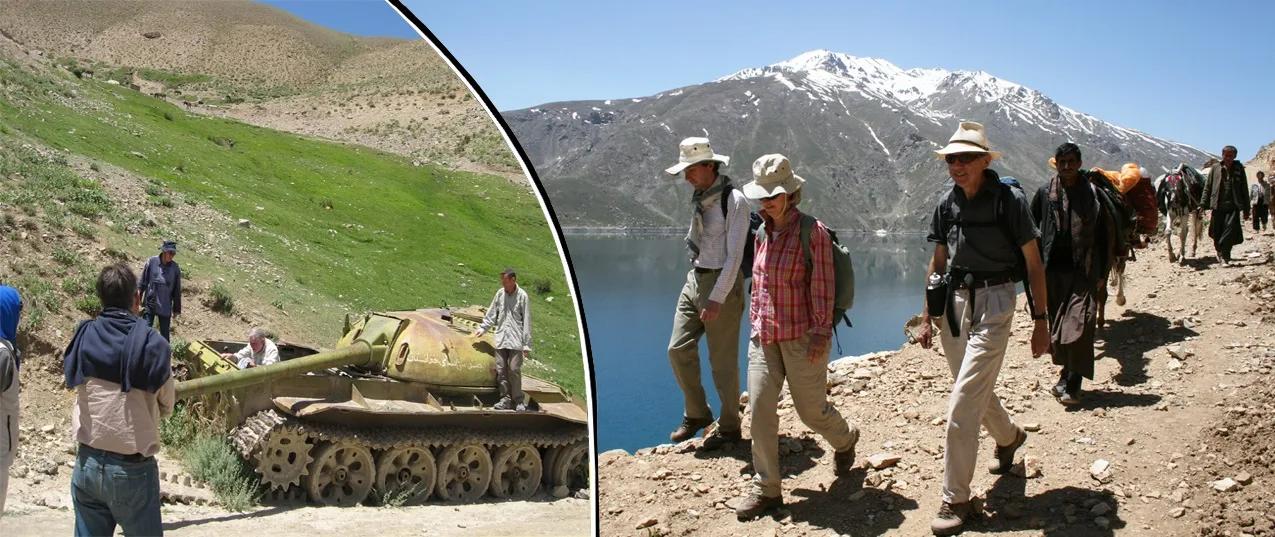
Afghanistan as a Reporting Environment, Not a Travel Destination
Afghanistan is often misunderstood through the lens of conventional travel narratives, but for journalists and international media teams, it functions as a complex operational environment rather than a destination. Movement across the country depends on security awareness, regional intelligence, and logistical precision. Every journey is shaped by conditions that change rapidly and require flexible planning. In this context, mobility becomes a strategic function rather than a simple logistical task. This reality defines how Tours of Afghanistan are structured, where operational reliability matters more than convenience or speed.
For reporters, Afghanistan is not accessed casually. It is entered through preparation, coordination, and respect for local dynamics. Routes must be validated, communications secured, and risk profiles evaluated before departure. Each movement carries responsibility not only to the team but also to the communities encountered along the way. The country demands discipline and adaptability, and any travel framework must be designed to match that reality.
Logistics Before Destinations: How Field Access Is Built
In most regions, travel begins with choosing a location. In Afghanistan, it begins with determining whether movement is feasible and responsible. Journalists must consider road conditions, security advisories, administrative requirements, and local sensitivities long before confirming a destination. This shifts the planning process from tourism logic to operational logistics.
Route planning often includes several alternatives. If one road closes, another must be available. If air transport becomes unavailable, ground movement must be possible. Vehicle choice is determined by terrain and risk exposure, not comfort. Timing is built around security windows and regional stability patterns.
Fixers and translators are central to this process. Their role extends far beyond interpretation. They provide social navigation, cultural guidance, and situational intelligence. Language in Afghanistan is layered with regional meaning, and accurate reporting depends on understanding both words and context. Without experienced local professionals, even well-funded media teams can misread situations and increase risk.
In this environment, organizations such as Afghan Logistics & Tours Pvt. Ltd appear primarily as operational infrastructures rather than tourism providers. Their function is to support controlled, informed movement rather than promote destinations. This distinction matters because it reflects how Afghanistan must be approached: through systems that prioritize stability and coordination.
Security, Transport, and Communication as Core Infrastructure
Transport in Afghanistan is inseparable from safety. Vehicles serve as mobile operational units, combining protection, communication, and evacuation capability. The choice between soft-skin and armored vehicles is strategic. Armored transport is used where exposure risk is higher, while soft-skin vehicles allow lower-profile movement in urban and moderate-risk areas.
Communication systems are equally vital. In remote regions, mobile networks are unreliable or nonexistent. Long-range radio and satellite systems ensure continuity between teams and coordination centers. Without this connection, teams lose real-time situational awareness, increasing vulnerability.
Maintenance and mechanical readiness are often overlooked in discussions of Afghan travel, yet they are essential. Harsh terrain places continuous strain on vehicles. Reliable servicing capability is not a convenience but a requirement for operational safety.
This is why professional frameworks for Tours of Afghanistan focus on infrastructure integrity rather than itinerary design. Movement must be sustainable, adaptable, and secure under unpredictable conditions.

The Role of Fixers and Translators in Responsible Reporting
Fixers and translators in Afghanistan are more than intermediaries. They act as cultural interpreters, safety advisors, and community bridges. Their understanding of local power structures, traditions, and sensitivities determines whether engagement is constructive or risky.
In Afghan society, respect is communicated through behavior as much as language. Dress, tone, timing, and etiquette all carry meaning. Journalists unfamiliar with these nuances rely heavily on local professionals to ensure interactions remain respectful and productive.
Translation accuracy also carries ethical weight. A technically correct translation that ignores social context can distort meaning. Responsible reporting depends on communication that preserves intent, emotion, and cultural significance.
This is why support structures used by media teams emphasize long-term relationships and trust rather than short-term contracting. Reliability in Afghanistan is built through continuity, not transactions.
Accommodation, Access Control, and Operational Stability
Lodging selection in Afghanistan differs significantly from conventional travel planning. Hotels and guest houses are evaluated for access control, location security, evacuation routes, and proximity to operational sites. Comfort matters, but safety and discretion matter more.
Arrival and departure procedures are managed carefully. Airport transfers are planned as security movements, not simple pickups. Time windows, route selection, and vehicle coordination are treated as operational decisions.
This framework reflects how Afghanistan requires a higher standard of logistical awareness. Even short movements carry implications that must be managed with professional discipline.
Flexibility as the Foundation of Afghan Operations
Afghanistan does not support rigid schedules. Security dynamics, weather, and administrative factors can shift without warning. Successful movement depends on flexibility in planning and execution.
Media teams must be prepared to adjust routes, delay departures, or reroute entirely. This adaptability protects both personnel and local communities. It also reinforces why fixed itineraries are less effective than responsive frameworks.
The structure of Tours of Afghanistan therefore reflects operational thinking: routes are adaptable, timelines remain flexible, and decision-making authority rests on real-time ground assessments rather than prewritten plans.
Ethics, Responsibility, and Cultural Awareness
Travel in Afghanistan carries ethical responsibility. Communities have endured decades of instability, and external presence must be managed with respect. Photography, interviews, and documentation require consent and cultural sensitivity.
Responsible operators brief travelers on local customs, dress codes, and behavioral expectations. Respectful engagement reduces risk and builds trust. It also ensures that reporting contributes understanding rather than disruption.
Environmental responsibility also matters. Remote regions are fragile, and sustainable practices protect both natural and social ecosystems.
These principles shape how professional frameworks approach Afghan movement. They treat travel as participation in a living society rather than consumption of an experience.
Business and Investment Tours as an Extension of Logistics
Journalistic and business travel in Afghanistan often overlap operationally. Both require secure movement, translators, government liaison, and logistical coordination. Investment tours are structured as assessments of feasibility, not promotional visits.
Afghanistan’s economic potential is tied to agriculture, mining, energy, logistics, and manufacturing. Accessing these opportunities requires careful planning and regional intelligence. Movement is governed by the same principles that guide media operations: safety, discretion, and flexibility.
Here again, Afghan Logistics & Tours Pvt. Ltd appears in professional contexts as an operational platform rather than a commercial promoter, supporting controlled access for specialized missions.
Why Afghanistan Requires a Different Travel Mindset
Afghanistan does not reward casual planning. It demands preparation, humility, and professional coordination. For journalists, it offers rare access to stories shaped by history, resilience, and transformation, but that access must be earned through responsible movement.
The country functions as an environment where logistics, security, ethics, and cultural intelligence converge. Travel is not separate from reporting; it is part of the reporting process itself.
Understanding this is essential for anyone involved in Tours of Afghanistan. They are not journeys defined by scenery but by structure, trust, and operational integrity.
Conclusion: Travel as an Operational Discipline
Afghanistan challenges traditional ideas of travel. For international journalists and media teams, movement becomes an extension of professional responsibility. Vehicles become safety systems. Translators become cultural bridges. Logistics becomes strategy.
The effectiveness of any Afghan operation depends not on speed or convenience, but on preparation, respect, and adaptability. This is what distinguishes movement in Afghanistan from movement elsewhere. It is not tourism. It is disciplined access to a complex reality.
And that reality demands a different model of travel—one rooted in coordination, responsibility, and operational clarity.