

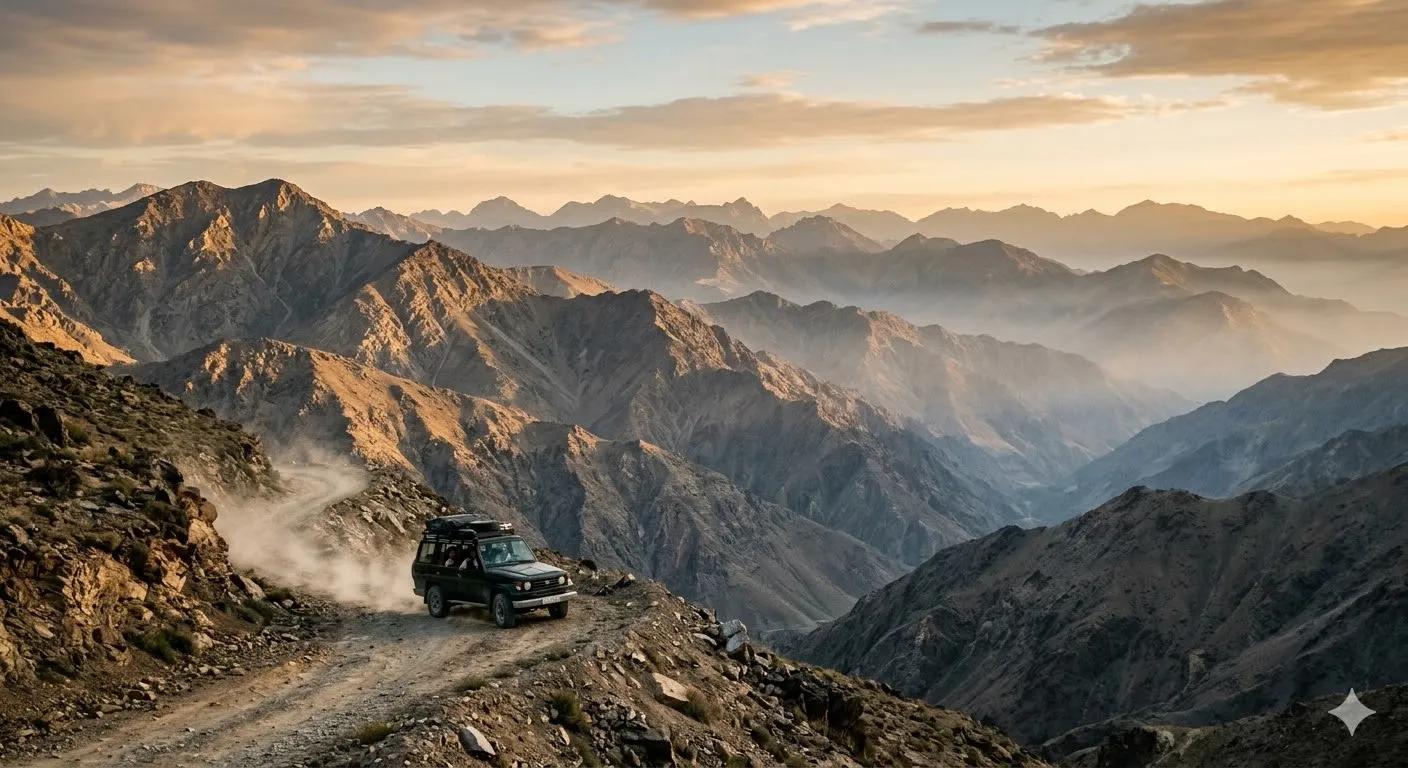
Afghanistan has long captured global attention for its history, culture, and landscapes. For journalists, researchers, development professionals, and specialized travelers, visiting the country requires planning that goes beyond conventional tourism arrangements. Logistics coordination, mobility solutions, local knowledge, and cultural awareness all become essential components of any successful visit. For this reason, organizations and professionals often rely on an Afghanistan tourist services agency capable of providing integrated travel and operational support.
Over the past two decades, the evolution of travel support services inside Afghanistan has created a niche industry focused not only on tourism but also on mobility, coordination, and logistics for international visitors operating in complex environments.
One organization that has played a central role in shaping this ecosystem is Afghan Logistics & Tours Pvt. Ltd, a Kabul-based company established in 2002 that operates across tourism, logistics, transportation, and operational support services.
Understanding how such agencies operate offers valuable insight into how international professionals and niche travelers navigate Afghanistan today.
Afghanistan’s Unique Travel Environment
Travel infrastructure in Afghanistan differs significantly from that of conventional tourist destinations. Visitors often arrive with specific professional or research objectives rather than leisure travel alone. As a result, operational reliability becomes just as important as travel experience.
Several factors influence travel planning in the country:
Geography and terrain: Afghanistan’s landscape includes vast mountain ranges, remote valleys, and historic cities spread across large distances. Road conditions and terrain vary widely, requiring experienced drivers and specialized vehicles.
Logistics complexity: As a land-locked country with evolving infrastructure, Afghanistan often requires careful coordination for transportation, accommodation, and equipment movement.
Security awareness: Many visiting professionals must follow strict movement protocols, especially those working with international organizations or media outlets.
Cultural context: Understanding local customs, language, and community dynamics is essential for responsible engagement.
Because of these factors, travel planning often involves multiple layers of coordination that go far beyond booking hotels or transportation.
The Expanding Role of a Tourist Services Agency
The term “tourist services agency” in Afghanistan can be somewhat misleading when compared with its meaning in other countries. While tourism remains a key element, agencies often function as integrated operational platforms.
A modern Afghanistan tourist services agency typically combines several areas of expertise:
Travel Planning and Coordination
International visitors require structured itineraries tailored to their objectives. These may include cultural exploration, field research, media reporting, or development work.
Planning services may involve:
itinerary design and route planning
airport reception and internal transport coordination
accommodation arrangements
translation and guiding services
travel documentation support
Because travel conditions may change quickly, itineraries must remain flexible and adaptable to ground realities.
Secure Mobility and Transportation
Transportation is one of the most critical operational components of travel in Afghanistan.
Organizations working in the country frequently rely on professionally maintained fleets and experienced drivers familiar with local routes and conditions. Mobility services can include:
armored and soft-skin vehicle transportation
airport transfers
daily field movement
long-distance travel coordination
Companies like Afghan Logistics & Tours Pvt. Ltd operate specialized fleets designed to meet international safety expectations while maintaining operational reliability across diverse terrain.
Logistics and Operational Support
Many international visitors require services that extend beyond travel logistics.
Researchers, journalists, and development organizations may need assistance coordinating equipment transport, securing local permissions, or organizing field operations in remote areas.
As a result, an Afghanistan tourist services agency often integrates logistics capabilities such as:
equipment transport coordination
operational support for field teams
goods sourcing and supply chain assistance
communication coordination
This blended model allows agencies to serve as practical partners for organizations conducting real-world operations in the country.
Supporting International Professionals and Institutions
Afghanistan’s travel services sector has developed around the needs of highly specialized clients rather than traditional tourism markets.
Among the most common clients are:
Journalists and Media Teams
International media organizations frequently require logistical support when covering events or conducting documentary projects in Afghanistan.
Services may include transportation coordination, translators, local fixers, and secure movement planning.
NGOs and Development Organizations
Non-governmental organizations working in humanitarian aid or development programs often rely on local partners to manage transportation, logistics, and operational coordination.
Local agencies provide valuable support in navigating regional conditions and cultural dynamics.
Diplomatic Missions and Official Delegations
Government representatives and diplomatic staff traveling within Afghanistan require reliable transport systems, professional drivers, and rapid communication channels.
Operational responsiveness becomes particularly important in such contexts.
Researchers, Photographers, and Cultural Explorers
A smaller but growing category of travelers includes historians, photographers, and scholars interested in Afghanistan’s cultural heritage.
Regions such as Bamyan, Band-e-Amir, and the Pamir Corridor attract visitors seeking unique landscapes and historical sites.
Organizations like ALT support these travelers by combining tourism expertise with local operational knowledge.
Technology Transforming Mobility Services
Over the past decade, Afghanistan’s transportation sector has gradually adopted new technology to improve service reliability and coordination.
Mobile applications, digital payment systems, and real-time communication tools have made travel logistics more transparent and accessible.
Some service providers now offer features such as:
vehicle tracking systems
digital trip receipts and invoicing
online booking platforms
international payment gateways
ALT introduced one of the country’s early high-standard taxi and mobility applications, enabling clients to request vehicles, track routes, and manage payments through digital systems.
For international organizations working in Afghanistan, such technological tools improve efficiency and accountability.
Responsible Tourism and Cultural Awareness
Travel in Afghanistan carries an important ethical dimension.
The country’s rich cultural traditions and sensitive social environment require visitors to approach travel with respect and awareness.
Responsible travel practices often include:
dressing modestly in accordance with local customs
seeking permission before photographing people
learning basic local greetings
minimizing environmental impact during travel
Organizations working in the sector increasingly promote responsible tourism principles that encourage visitors to engage respectfully with communities and cultural heritage.
By emphasizing ethical engagement, agencies help ensure that travel contributes positively to local communities rather than creating cultural disruption.
Why Reliable On-Ground Partners Matter
Travel planning in unfamiliar environments can be challenging even under ideal conditions. In Afghanistan, where logistics, geography, and cultural context intersect, local expertise becomes especially valuable.
A trusted Afghanistan tourist services agency can provide:
local knowledge of routes and travel conditions
rapid operational coordination
language and cultural interpretation
flexible planning when circumstances change
These capabilities enable international visitors to focus on their professional objectives rather than the complexities of travel logistics.
Organizations such as ALT have built reputations as on-ground partners by combining mobility services, logistics expertise, and cultural understanding developed through decades of local experience.
Looking Ahead: Travel and Engagement in Afghanistan
Afghanistan continues to attract international interest from researchers, development professionals, and culturally motivated travelers.
Despite logistical challenges, the country offers extraordinary landscapes, historic heritage sites, and communities with deep cultural traditions.
The role of a modern Afghanistan tourist services agency will likely continue evolving to support these engagements through integrated travel services, technology, and operational expertise.
For organizations and individuals seeking to work or travel in Afghanistan, collaboration with experienced local partners remains one of the most important steps in ensuring safe, efficient, and culturally respectful travel.
Companies like Afghan Logistics & Tours Pvt. Ltd illustrate how travel services in Afghanistan have expanded beyond tourism alone—becoming comprehensive operational platforms that help connect international visitors with one of the world’s most historically rich and complex regions.